Our History: An Educational Revolution
The Utopian Roots of Organic Education
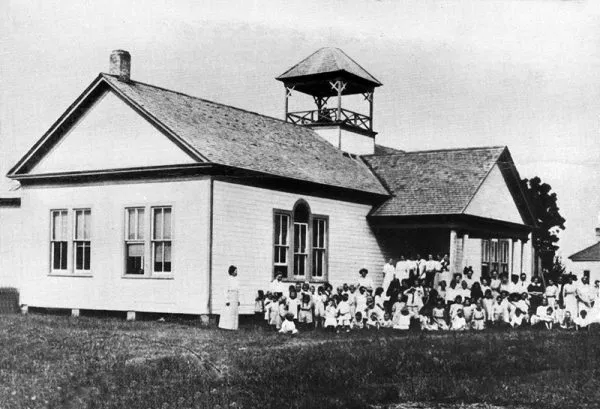
The story of the Marietta Johnson School of Organic Education begins in 1907, born from the idealistic spirit of Fairhope’s early days. Founded as a “Utopian” community to test the economic theories of Henry George, Fairhope provided the perfect soil for another experiment: one that would fundamentally change the betterment of mankind through the education of its children.
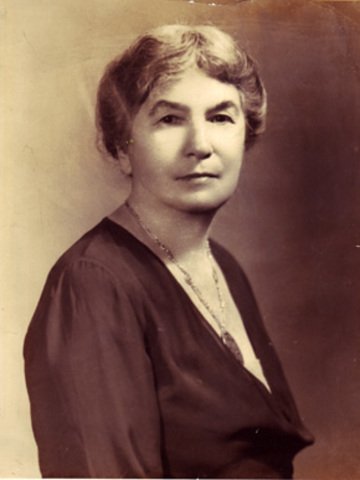
Marietta Johnson 1864-1938
Marietta Johnson’s Vision
With the support of Lydia Newcomb Comings and local leaders like E.B. Gaston, the school was established as a gift to the children of Fairhope. Mrs. Johnson became a missionary for the “Whole Child,” believing that if Organic Education were instituted nationwide, our country would become a place of peace and true wisdom.
A Center of Progressive Thought
As Marietta Johnson’s reputation grew, Fairhope became a magnet for the greatest intellectual minds of the early 20th century. The school was not just a local primary school; it was a national laboratory for Whole-Child “Progressive” Education.
John Dewey: The world-renowned educational philosopher wrote glowingly of the school, bringing international attention to Fairhope’s methods.
Margaret Mead: The famous anthropologist’s parents were so moved by the philosophy that they sent their daughters, Elizabeth and Priscilla, to study here.
Wharton Esherick: The famed Pennsylvania artist came to Fairhope to teach art and enroll his children, later crediting the school and the town with changing his life.
The Arts Colony Legacy: Fairhope’s modern identity as an arts colony is a direct result of the school’s early emphasis on the arts as an essential, natural part of life.
“Children should grow mentally as they do physically, without effort or strain”
Marietta JohnsonA Legacy That Endures
Mrs. Johnson traveled the world lecturing on the “Organic” method, followed by a cadre of believers who often moved to Fairhope just to be near the school. From the “School Home” boarding house that hosted children of intellectuals from across the country to the teachers who left Fairhope to found similar schools elsewhere (such as The School in Rose Valley), the influence of The Organic School has reached far beyond the borders of Alabama.
Today, we continue to honor Mrs. Johnson’s belief that “Everybody does better after they’ve been in Fairhope.” We remain a living testament to the idea that education, when practiced with respect for the child’s natural growth, can indeed change the world.